Insta exhibit: autografik on flickr
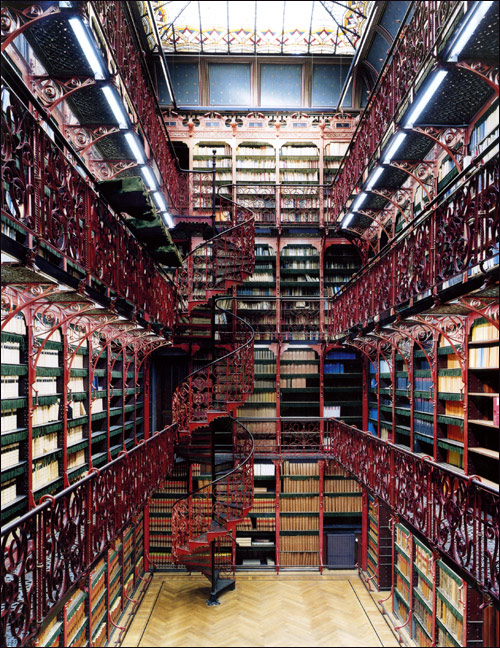
A look at the autografik group pool — a shared, user-built collection of images presented as an exhibit in its own right.
Web
Online exhibits, Flickr groups, and digital media — the places where web culture and collecting meet, gathered in one corner of the site.

What lives here
This category follows art and culture as it appears online: group pools, image archives, and the small digital phenomena that deserve a second look. Posts here sit alongside the site's museum and archive writing, since the web is now one of the places where collections are shown and discussed.
The web has become a vast, ever-expanding museum of its own making, where digital artifacts and online exhibitions sit alongside the traditional collections found in galleries and libraries. What began as a simple network for sharing information has evolved into a living archive of human creativity, where group pools, image archives, and collaborative projects capture moments of cultural significance. These web-based collections offer something unique: the chance to see art and history as they unfold in real time, shaped by countless hands and perspectives. The screen becomes a gallery wall, the browser a curator's tool, and every shared image a small donation to a collective visual memory.
Flickr groups and online image pools function as informal archives, gathering photographs, historical documents, and artistic experiments from contributors around the world. These digital spaces echo the mission of museums and libraries, preserving visual culture in a format that invites participation rather than passive observation. A collection of vintage postcards sits alongside contemporary street photography; scientific microscopy images share space with abstract geometric compositions. The democratic nature of these platforms means that anyone with a camera and a connection can contribute to a living record of our time, creating a web of visual knowledge that grows richer with every upload.
The intersection of web culture and collecting produces fascinating small phenomena that deserve a second look. These are the digital curiosities that emerge when people share what they find interesting: a single striking statue photographed from every angle, a series of portraits documenting a particular community, or a thematic pool of images exploring a forgotten corner of art history. These micro-collections often reveal more about our collective interests than grand institutional exhibitions ever could. They reflect the organic, sometimes whimsical way that people engage with visual culture, building their own archives one image at a time, driven by curiosity rather than institutional mandate.
Online exhibits have transformed how we experience art and history, making museum-quality collections accessible from any screen. Digital exhibitions allow curators to present works that might never share physical gallery space, creating unexpected juxtapositions and fresh narratives. A collection of African masks might appear beside European scientific instruments; historical photographs might be paired with contemporary responses. These virtual displays respect the traditions of museum practice while embracing the web's capacity for connection and context. The result is a new kind of cultural space, one where the boundaries between archive, gallery, and community conversation become beautifully blurred.
A look at the autografik group pool — a shared, user-built collection of images presented as an exhibit in its own right.
Notes on a web-native curiosity, treated as something worth documenting rather than letting it quietly disappear.
Short pieces on how images, video, and group projects circulate online and what that circulation does to the work.
Why it fits
A Flickr pool is assembled by its contributors, not a curator, and it changes as people add to it. That makes it a useful counterpoint to the fixed exhibition — and a reminder that preservation is an ongoing act.
The same instinct runs through the site's archive writing, from dialect recordings to the everyday traces of digital culture. Here, the focus stays on what the web itself puts on display.
Keep reading
Web exhibits rarely stand alone. The museum and archive sections carry the longer reviews and preservation notes that this category keeps returning to.
Suggestions and donations both go through the same form. Send a link, a tip, or a note about something online that deserves attention.