Category · Starchivists
Starchivists: Digital Preservation
Posts on digital archiving, dialects, and web preservation — the work of keeping recorded voices, online exhibits, and cultural material findable and intact.
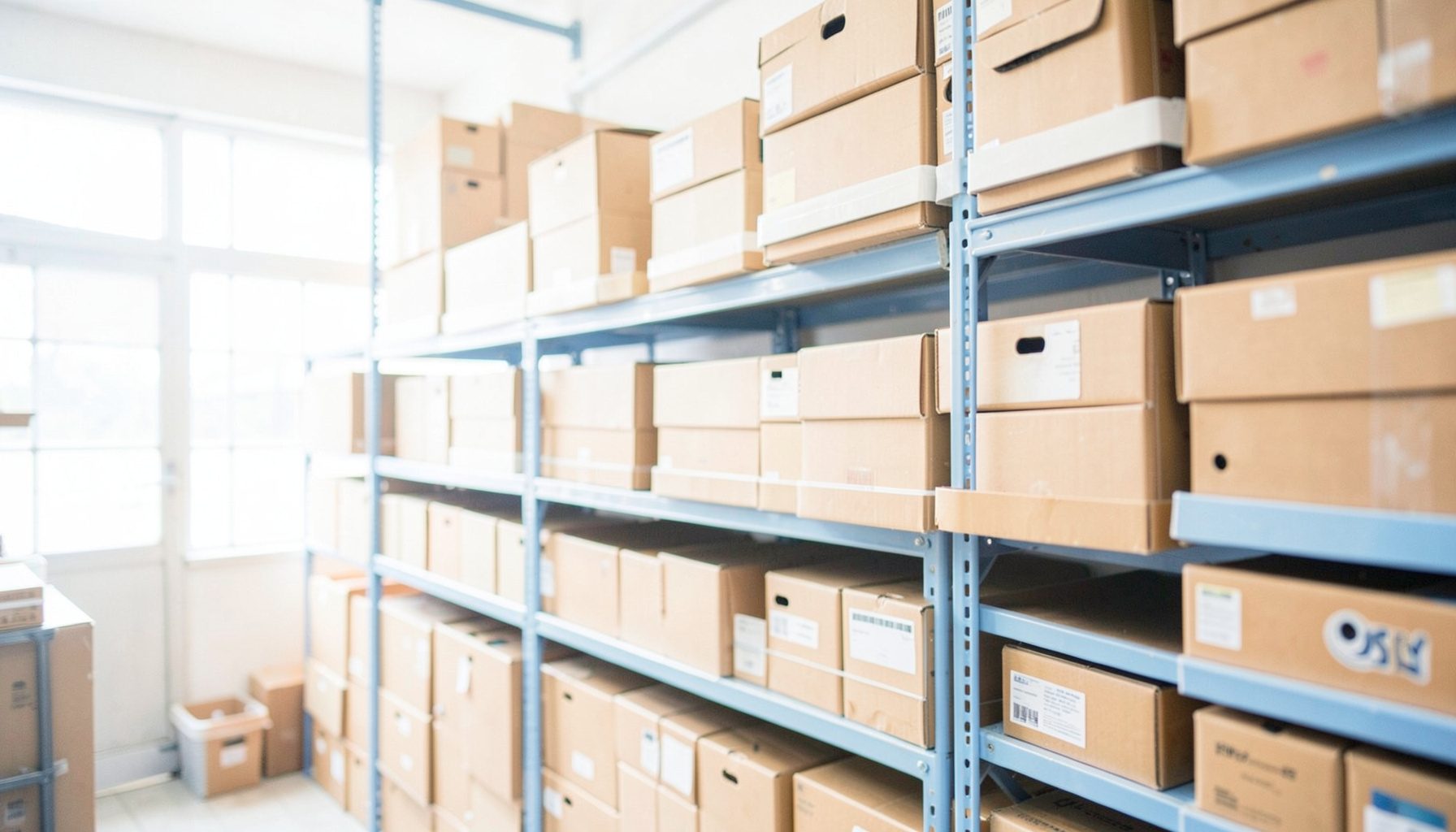
On keeping things
What this category covers
Starchivists gathers the site's writing about preservation: recorded speech, online collections, and the small decisions that decide whether a digital thing survives. The emphasis is on archives as active practice rather than static storage.
- Dialect and voice collections, including The International Dialects Of English Archive.
- Video and commentary on what archival work actually requires.
- Web-based exhibits and the preservation of digital culture.
Featured in this category
The International Dialects Of English Archive
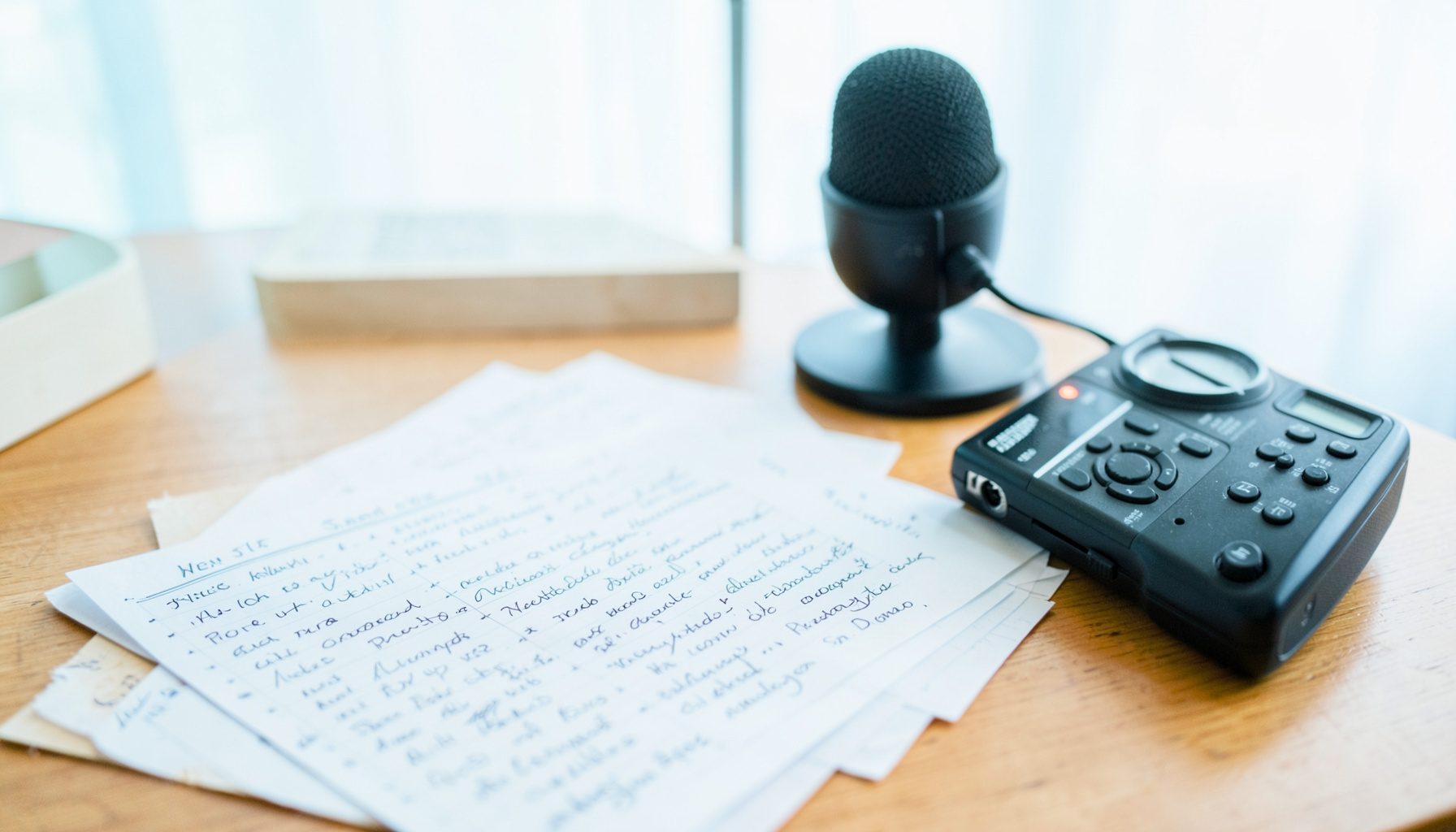
A post on IDEA, the International Dialects Of English Archive, which collects recordings of English speech from around the world. The archive is a useful example of a collection whose value depends on consistent cataloguing and long-term access as much as on the recordings themselves.
Read alongside the site's other preservation posts, it makes a case for listening closely to how speech is documented — and for treating that documentation as something to be maintained, not just stored.
Also in Starchivists
Posts and threads
-
Videos and discussions on archival needs
Short video posts and commentary that ask what an archive needs in order to keep working: clear description, stable storage, and someone paying attention.
-
Preserving digital culture
Notes on online exhibits and web-native material, including the site's look at the autografik pool on Flickr, where a shared image collection becomes a small public archive of its own.
-
Collections worth a second look
Occasional posts on holdings and displays that reward close reading, from museum collections to the records that document them.
The quiet work of digital preservation often goes unseen, yet it shapes what future audiences will remember. Every archived recording, scanned document, and preserved exhibition represents a deliberate choice about what matters. Museums, libraries, and archives share this responsibility, deciding not only what to keep but how to keep it accessible across shifting technologies and formats. The fragility of digital material demands ongoing attention, from migrating obsolete file types to maintaining metadata that makes discovery possible. This labor is neither glamorous nor urgent in the way breaking news is urgent, but it is essential. Without it, entire cultural conversations, regional dialects, and informal histories would simply fade into silence.
Archival practice is as much about care as it is about order. The physical arrangement of a collection, the tagging of a photograph, the transcription of an oral history—each act carries an ethic of attention toward the people and moments being preserved. Online exhibitions and digital galleries extend this ethic into networked space, where context can dissolve as quickly as a broken link. Preservationists working in this realm must think like both historians and engineers, balancing authenticity with adaptability. The goal is not a perfect frozen record but a living archive that remains meaningful across generations, allowing future viewers to encounter the past with clarity and respect.
Where it connects
Archives alongside museums and libraries
Museums
Exhibitions and display
Reviews and commentary on museum exhibitions, including Geometric Abstraction at the Newark Museum and Microscopy at the Hunterian Museum.
Preservation
Records and recordings
Writing on dialects, digital collections, and the practical habits that keep recorded material usable over time.
Contact
Suggestions and donations
The contact form takes a name, email, subject, and comment, with a subject line for suggestions and donations.
Contributors
Suggested Donation is written by Andy Van Slyke and Josiah Tell, with posts spanning museums, libraries, archives, and the web.
Have a collection, recording project, or online exhibit that belongs here? Send it through the contact form.