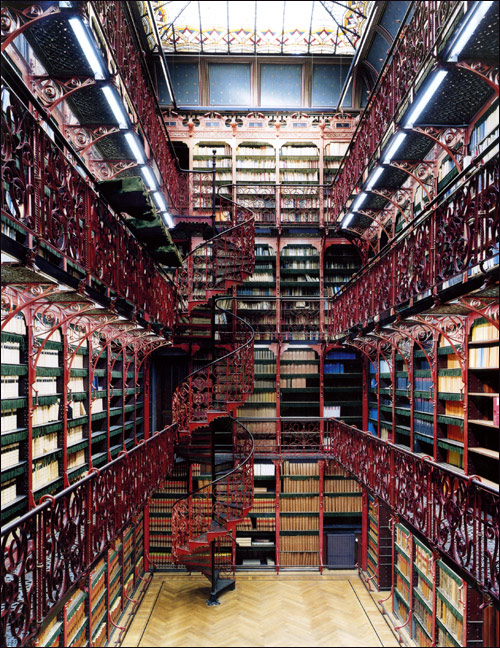
Suggested Donation is a blog about museums, libraries, and archives — the places where culture is collected, preserved, and argued over. We cover exhibitions, digital archiving projects, institutional oddities, and the people who make these spaces tick.
The editorial team includes Andy Van Slyke and Josiah Tell, whose writing spans museum reviews, critical essays, and deep dives into archival practice. Their work has appeared across the site's sections — from exhibition commentary in Museums to dialect-archive features in Starchivists and cultural criticism in Let's Get Critical.
We're interested in what gets saved and what gets left behind, how institutions frame their collections, and why a well-run reading room or a thoughtfully lit gallery still matters. If you have a suggestion, a tip, or a donation-worthy idea, get in touch.
Museum admission policies have long sparked debate about who gets access to cultural heritage. The suggested donation model offers a middle ground, inviting visitors to contribute what they can while keeping doors open to all. This approach reflects a broader conversation across libraries and archives about balancing financial sustainability with public service. Institutions that adopt this model often report more diverse audiences and a greater sense of community ownership. The practice also challenges assumptions about the monetary value of art and history, encouraging visitors to reflect on what these spaces mean to them personally rather than simply paying a set fee at the door.
Archival work often goes unseen, yet it shapes how future generations understand the past. From digitizing fragile manuscripts to cataloging centuries-old photographs, archivists labor to preserve cultural memory in ways that feel both urgent and fragile. Museums and libraries share this mission, acting as stewards of objects and stories that might otherwise disappear. The quiet work of conservation, metadata creation, and exhibition design requires deep expertise and patience. These efforts remind us that culture is not static; it is continuously interpreted, reorganized, and re-presented through the careful hands of those committed to keeping history alive.